
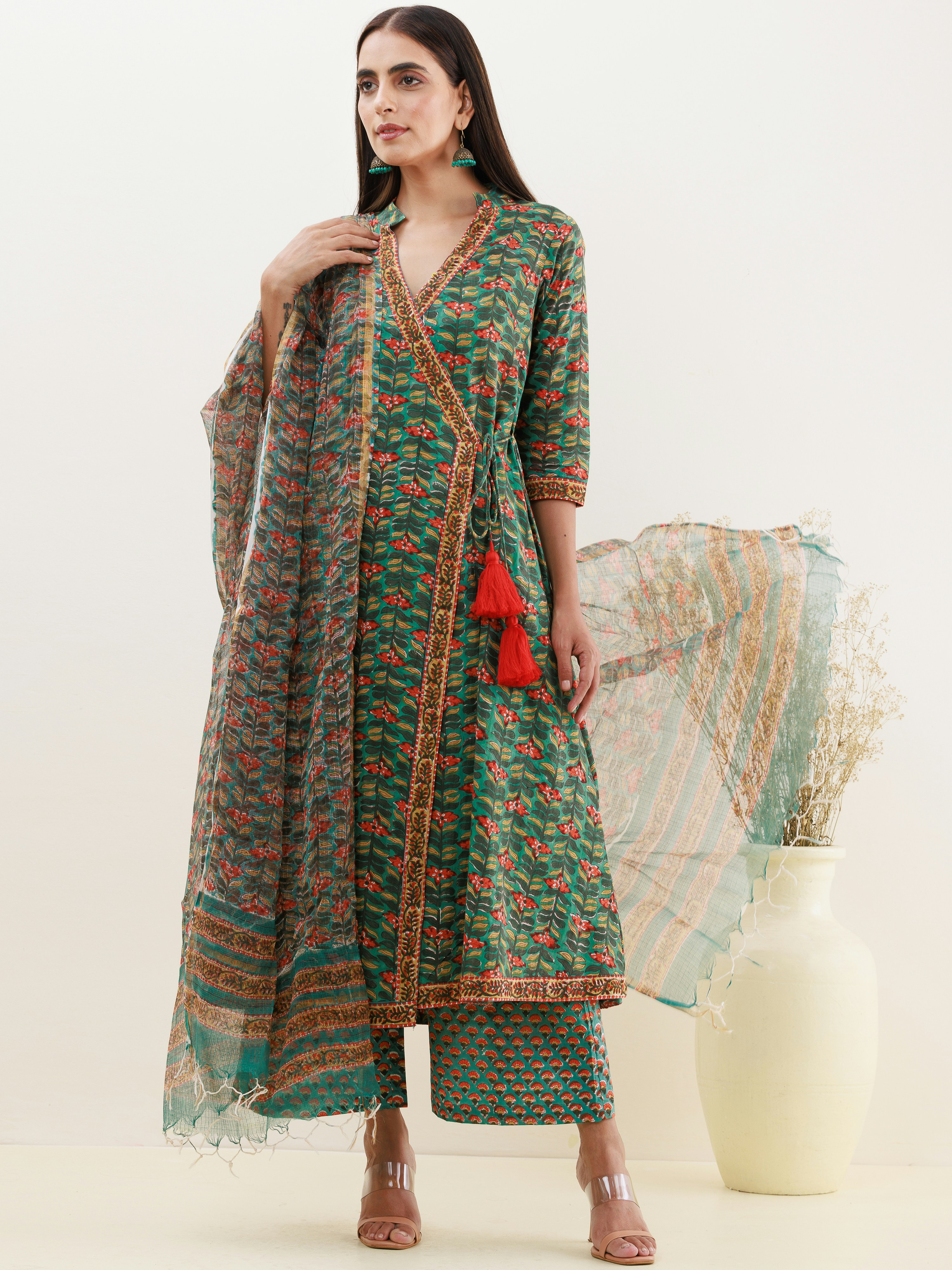
Introduction to Dupatta Styling
The dupatta is a quintessential piece of traditional Indian attire, often characterized by its length and versatility. Historically, this garment has transcended mere decoration; it serves as a symbol of cultural identity and grace. Within various regional styles, the dupatta showcases a rich tapestry of fabrics, colors, and embroidery techniques, reflecting local artistry and traditions. Over the years, this accessory has evolved from its traditional roots to adapt to contemporary fashion, making it a significant element in modern wardrobes.
In traditional Indian clothing, the dupatta often complements outfits such as salwar kameez, lehengas, and sarees, enhancing their visual appeal while also providing modesty. As society transitioned and fashion norms began to shift, the dupatta found new roles within various attire, including fusion wear. Designers today creatively incorporate the dupatta into innovative styles, making it relevant to both everyday wear and festive occasions.
The continued significance of the dupatta in modern fashion can be attributed to its adaptability. It can be draped in numerous ways, allowing individuals to express their personal style while adhering to the cultural roots associated with this garment. Whether worn casually to elevate a simple outfit or styled intricately for celebratory events, proper draping techniques can greatly enhance the overall look of any ensemble.
As individuals navigate through a blend of tradition and modernity in fashion, mastering the art of dupatta styling becomes essential. With its unique capacity to transform an outfit, the dupatta holds the power to reflect one’s personality while honoring cultural heritage. In the following sections, we will delve deeper into various traditional and modern ways to style the dupatta, ensuring it remains a beloved and fashionable accessory.
Understanding Different Fabrics and Textures
The choice of fabric for a dupatta significantly impacts both its drape and overall aesthetic, making the understanding of different materials essential for achieving the desired look. Among the most popular fabrics is cotton, known for its lightweight nature and breathability. Cotton dupattas are often favored for casual wear, providing comfort while allowing for easy draping styles that can suit various occasions.
Chiffon is another widely used fabric, characterized by its sheer texture and flowing quality. The delicate nature of chiffon allows it to drape elegantly, creating a soft and romantic appearance. Its lightweight composition means that chiffon dupattas can add volume without overwhelming the wearer, enhancing outfits designed for formal events. Additionally, the fabric’s versatility enables it to be styled in numerous ways, from looped drapes to classic shoulder wraps that complement different silhouettes.
Silk, with its luxurious sheen and weight, presents a different approach to draping. A silk dupatta exudes elegance and sophistication, making it ideal for bridal wear or occasions requiring a more opulent look. The richness of silk allows it to hold shapes well, which provides structure to intricate draping styles while still catching the light beautifully as the wearer moves.
Georgette, similar to chiffon, is a lightweight fabric that is slightly heavier, making it suitable for more structured styles. Georgette dupattas can offer an alluring flow while maintaining firmness in their drape, thus providing versatility in styling. The texture and softness of georgette also make it a preferred choice for fashionable layers, appealing to those seeking contemporary elegance in their attire.
In conclusion, understanding the various fabrics and textures of dupattas is crucial for effectively styling them. Each material brings its unique characteristics, influencing how the dupatta behaves and enhances an ensemble, ultimately allowing wearers to express their style effortlessly.
Classic Shoulder Wraps: The Timeless Style
The classic shoulder wrap is a quintessential style that embodies the grace and elegance of traditional attire, particularly when draping a dupatta. This style involves elegantly placing the dupatta over one shoulder, allowing it to cascade down the front or back. It provides a sophisticated silhouette that complements various outfits, from ethnic wear to contemporary ensembles, making it a versatile choice for many occasions.
To achieve the perfect shoulder wrap, begin by selecting a dupatta that matches or complements the outfit. Lighter fabrics like georgette, chiffon, or silk work particularly well, enhancing the drape and flow of the fabric. Once you have chosen the right dupatta, hold the fabric evenly across your shoulders, bringing one end over the opposite shoulder. This creates a beautiful fall and frames your neckline, adding a touch of classic charm to your overall appearance.
Pairing this timeless style with the right outfit enhances its elegance. For a traditional look, consider wearing a straight-cut salwar kameez or anarkali suit, allowing the dupatta to create a striking contrast with your outfit’s colors. Additionally, accessorizing with statement jewelry, such as jhumkas or a choker necklace, can elevate the overall aesthetic. This classic shoulder wrap can also be aptly styled for formal or semi-formal occasions by pairing the dupatta with a fitted gown or even a chic lehenga.
The versatility of the classic shoulder wrap extends to different events, from weddings to casual gatherings. Whether you attend a family function or a festive celebration, this draping style will undoubtedly add a sophisticated touch to your attire. Embracing this elegant draping technique not only highlights your outfit but also reflects a deep appreciation for traditional styles, maintaining the balance between modern trends and timeless elegance.
The Chic Belt Look: A Modern Twist
The chic belt look represents a contemporary approach to draping a dupatta, transforming it into a stylish accessory that enhances any outfit. This modern silhouette not only adds a fashionable flair but also provides a flattering outline. To achieve this look, the first step is to select a dupatta that complements your attire in both color and fabric. A lightweight chiffon or georgette dupatta is ideal for creating fluidity and movement, while a heavier fabric can add structure.
Once you have chosen your dupatta, wear your outfit as you normally would—this could be a traditional kurta or a contemporary dress. The next step is to drape the dupatta over one shoulder, allowing it to cascade down your back. Take the remaining length and wrap it around your waist, positioning it where the natural waistline falls. Using a chic belt, fasten it over the draped dupatta, ensuring it sits comfortably. This combination not only defines your waist but also introduces an element of sophistication.
For color coordination, consider contrasting shades or complementary hues that work with your base outfit. For instance, a soft pastel dupatta can brighten a darker outfit, while a bold-colored belt can add an eye-catching detail. Accessories also play a crucial role; try pairing the outfit with matching earrings or a statement necklace to enhance the overall aesthetic. The belt look provides versatility, making it suitable for various occasions, from casual outings to formal gatherings. Overall, this style offers a modern twist on traditional dupatta draping, encapsulating the essence of contemporary fashion ideals.
Layering Techniques for Intricate Draping
Layering is an essential technique in the art of draping, particularly when utilizing dupattas to enhance the elegance of an outfit. By employing multiple dupattas or combining them with other garments, one can create visually striking ensembles that not only stand out but also embody sophistication. The key to mastering this technique lies in the thoughtful selection of colors, textures, and lengths that complement one another.
One popular method involves using two or more dupattas of varying lengths and patterns. For instance, pairing a sheer, embellished dupatta with a heavier, embroidered one can add a layer of depth and richness to your look. To achieve this, drape the longer dupatta over one shoulder and allow it to cascade down your arm, while the shorter dupatta can be tied around the waist or thrown over the opposite shoulder. This asymmetrical pairing draws attention and ensures that each layer speaks to the overall aesthetic.
Furthermore, layering can extend beyond the use of additional dupattas. Incorporating long, flowing skirts or palazzo pants with intricate embroidery paired with a simple dupatta can strike a balance between extravagant and understated. The elegance of layering not only provides a dramatic effect but also enhances comfort, as the breathable fabric of the dupatta can provide versatility as outfits transition from day to night.
Additionally, one can experiment with textures by pairing a velvet dupatta with a silk kurta. This juxtaposition creates a multi-dimensional effect that captivates the eye while maintaining a cohesive look. The integration of various fabrics encourages creativity and allows individuals to express their personal style through blending traditional and modern elements.
In summary, the technique of layering offers numerous opportunities to elevate your draping style. By strategically selecting and combining different dupattas or garments, you can achieve a sophisticated and polished look that embodies both tradition and modernity.
Creating the Perfect Drape for Festive Occasions
Festive occasions often call for special attire, and the dupatta plays a pivotal role in elevating any outfit, making it an essential accessory for celebrations. Whether attending a wedding, festival, or any ceremonial gathering, the right dupatta styling can enhance your overall appearance and convey an air of elegance and sophistication. This section discusses various draping techniques tailored for festive settings, incorporating embellishments, luxurious fabrics, and unique styles.
When selecting a dupatta for festive occasions, heavier fabrics such as silk, brocade, or velvet are preferred due to their rich texture and aesthetic appeal. These materials not only add opulence to your ensemble but also allow for intricate embellishments like zari work, sequins, or mirror detailing. The choice of color is equally significant; vibrant hues or rich jewel tones can accentuate traditional wear and create a visually striking look.
Understanding how to drape your dupatta effectively is crucial. One popular technique for a statement look is the ‘pallu drape,’ where the dupatta is pleated and secured at the shoulder, allowing the embellished end to cascade elegantly. This method works beautifully with anarkali suits, lehengas, or even classic sarees. For a more contemporary twist, consider the ‘front drape’ technique, where the dupatta is wrapped around the body, showcasing the intricate details while leaving one side open. This style harmonizes well with tailored outfits and can balance traditional elements with modern flair.
Combining these draping techniques with the right accessories, such as a statement necklace or earrings, further enhances the festive look. Opting for a dupatta that complements the outfit while standing out in its own right is key. By thoughtfully selecting the fabric, color, and draping style, one can create a stunning and standout appearance at any festive occasion, showcasing the art of draping in its finest form.
Daytime Casual Looks: Effortless Styling
In the realm of fashion, dupattas serve as versatile accessories that can enhance any casual outfit, particularly for daytime events. Styling a dupatta in a relaxed manner contributes to a chic appearance without requiring extensive effort. One of the simplest methods to achieve an effortless look is by opting for a loose drape. To create this style, one can take a lightweight dupatta and let it hang over one shoulder, allowing the other end to flow freely down the back. Choosing a dupatta in a complementary color to the outfit can create a harmonious look, while playful patterns can add a lively touch to the ensemble.
Another effective technique involves a half-twist drape. This approach allows for a relaxed vibe, perfect for daytime lounging or casual gatherings. Begin by folding the dupatta in half and placing it around the neck, letting the ends cascade down in a stylish manner. This style not only offers comfort but also keeps the dupatta securely in place while maintaining an effortlessly chic appearance. Embroidered or embellished dupattas can be paired with simple, solid-colored suits or kurtas to create a balanced look that is attractive yet uncomplicated.
For added creativity, incorporating the dupatta as a headscarf can elevate an everyday outfit. By folding the dupatta into a band, it can be wrapped around the hair, providing a touch of elegance while keeping the face protected from sunlight. This styling method works well with casual western wear such as denim and tank tops, blending traditional accessories with contemporary fashion. Overall, the key to mastering daytime casual looks with dupattas lies in choosing the right fabric, color, and style that complements one’s personality while ensuring comfort and ease of movement. Through these effortless techniques, one can easily achieve an understated yet trendy appearance, making the dupatta an essential part of casual daytime fashion.
Accessorizing Your Dupatta: The Finishing Touch
The dupatta, a versatile piece in traditional and modern attire, can be significantly enhanced through thoughtful accessorizing. The choice of accessories can elevate the overall look, making it more sophisticated and personalized. When considering how to style your dupatta, integrating accessories such as pins, brooches, and jewelry adds a unique touch that can effectively complement your outfit.
Pins and brooches serve as practical and aesthetic additions to your dupatta. They can be utilized to secure the fabric in place, preventing any slippage, while simultaneously acting as focal points in your ensemble. Decorative pins, available in various styles, from minimalist designs to intricate motifs, can enhance the visual appeal of your dupatta. For example, a vintage brooch can complement a traditional outfit beautifully, whereas a sleek, modern pin might be ideal for a contemporary look.
Jewelry is another essential element that can accentuate your dupatta. Options such as statement earrings or layered necklaces can draw attention to your neckline and create harmonious balance with your dupatta’s drape. Selecting jewelry that resonates with the fabric’s colors or patterns will unify the overall appearance. Furthermore, when adorned with sparkly embellishments or unique designs, the jewelry can add a layer of sophistication to simpler dupatta styles.
Additionally, scarves and belts can also function as creative accessories to enhance your dupatta styling. A matching or contrasting scarf can be tied around your waist or worn as an additional layer, while a belt can be used to cinch the fabric and define your silhouette. Ultimately, the right accessories can transform your dupatta from a simple garment into a statement piece, showcasing your style and personality.
Tips for Maintaining Your Dupatta Collection
Maintaining a dupatta collection requires careful attention to various fabrics and design elements. Different materials ranging from silk to cotton necessitate distinct care methods to preserve their beauty and longevity. First and foremost, always check the care label attached to your dupatta, as it provides essential information on how to handle it. For delicate fabrics like silk and chiffon, hand washing is often the safest option. Use lukewarm water and a gentle detergent designed for delicate garments. Avoid wringing or twisting the fabric, as this can lead to damage. Instead, gently press the water out and lay the dupatta flat to dry away from direct sunlight to prevent fading.
For cotton dupattas, machine washing can generally be a viable option. However, it is advisable to wash them separately in cold water to avoid color bleeding. Utilize a gentle cycle and opt for mild detergents. Additionally, storing your dupatta is crucial for maintaining its form. It is preferable to roll or fold it neatly and place it in a breathable fabric bag or a drawer lined with soft materials. Avoid hanging your dupattas for extended periods, as this can lead to stretching and distortion in their shape.
When it comes to handling your dupattas, be mindful of the accessories or embellishments that may be attached to them. Keep jewelry and other sharp items away from the fabric to prevent snags. If you notice any loose threads, gently trim them using scissors rather than pulling on them. Lastly, periodically check your dupatta collection for any signs of wear or damage, attending to repairs swiftly to prevent further deterioration. By following these care tips, you can ensure that your dupatta collection remains vibrant and stylish for years to come.