
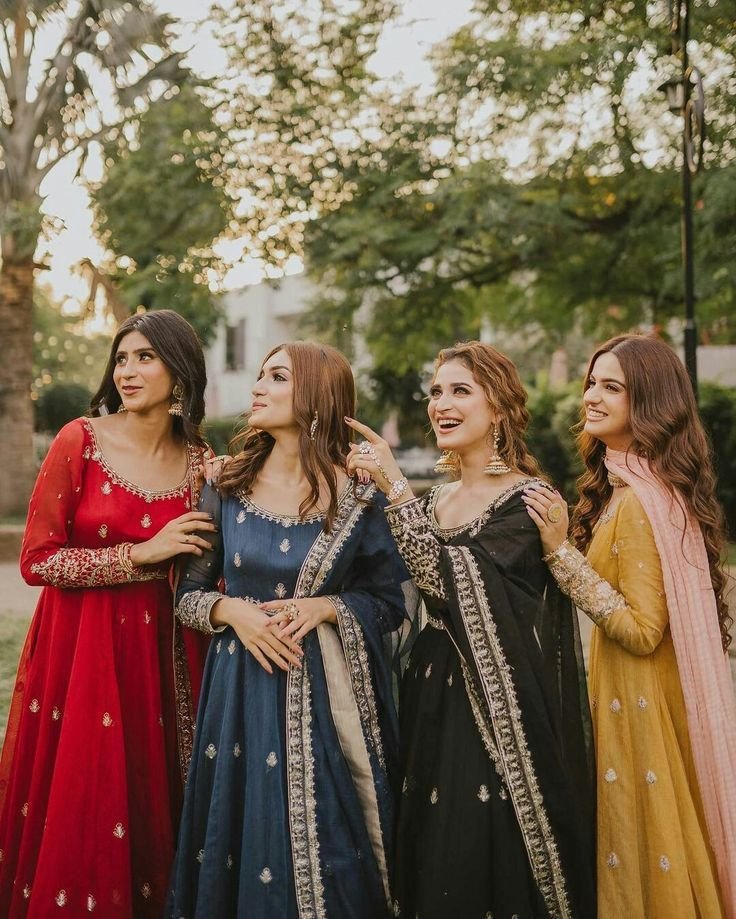
Understanding Pakistan’s Climate: The Need for Seasonal Fabrics
Pakistan’s climate is characterized by its diversity, spanning several climatic zones, which necessitates a thoughtful selection of fabrics for clothing. The country experiences a range of temperatures throughout the year, with some regions enduring sweltering summers while others face chilly winters. In order to maintain comfort and style, it is essential for individuals to choose fabrics that are appropriate for the prevailing weather conditions.
During the summer months, which can reach extreme temperatures, lightweight and breathable fabrics are critical. Natural fibers such as cotton and linen are particularly favored, as they promote airflow and wick moisture away from the body, thus ensuring a comfortable wear even in the heat. Additionally, light colors are preferred as they reflect sunlight, further enhancing comfort levels during the sweltering days.
As the seasons shift towards autumn and winter, the need for warmer fabrics becomes evident. In regions where winters can be quite harsh, materials like wool and blended fabrics provide essential insulation and protection from the cold. These types of fabrics trap heat, making them ideal for layering in order to cope with the fluctuating temperatures typically experienced in Pakistan’s winter months. Furthermore, fabrics such as cashmere add a touch of luxury and warmth, making them popular among fashion-conscious individuals.
Understanding the impact of local climate conditions on fabric choice not only helps in maintaining comfort but also plays a crucial role in defining one’s personal style. With an awareness of how specific materials respond to environmental factors, individuals can make informed decisions when it comes to seasonal clothing. As we explore the various key fabrics that align with the changing seasons in Pakistan, we will delve deeper into how these materials can cater to both climate and style preferences.
Light and Breezy Fabrics for Summer: Lawn and Chiffon
Summer in Pakistan is characterized by high temperatures and humidity, necessitating the choice of fabrics that offer comfort and breathability. Among these, lawn and chiffon stand out as ideal choices for the scorching season. Lawn fabric, known for its lightweight and soft texture, allows air to circulate, making it excellent for hot weather. Typically made from cotton, this fabric is not only plentiful but also available in a multitude of vibrant prints, adding a fresh and lively touch to summer outfits.
Chiffon, on the other hand, is a semi-sheer fabric that brings elegance to casual and formal attire alike. Its lightweight nature and delicate drape make it perfect for layering during the summer months. Chiffon dresses and tops can easily transition from daytime outings to evening events, providing versatility that every wardrobe needs. Both lawn and chiffon fabrics can be styled in numerous ways, allowing for creativity while dressing for the heat.
When selecting colors for summer garments, it is advisable to opt for bright and pastel shades, which not only reflect the sunlight but also create a cheerful atmosphere. Lighter colors tend to absorb less heat than darker shades, ensuring comfort throughout the day. Additionally, it is important to care for these fabrics appropriately; lawn and chiffon should be washed gently to maintain their vibrant patterns and structural integrity. Hand washing or using a delicate cycle with mild detergent helps extend the lifespan of these materials.
In essence, choosing lawn and chiffon for summer wardrobes blends comfort with style, allowing individuals to embrace the season’s heat while looking chic and fashionable. With proper care and styling, these fabrics can become staple pieces in anyone’s summer collection.
Transitioning into Autumn: The Role of Organza and Silk
As autumn sets in and temperatures begin to drop, it becomes essential to adapt your wardrobe to the changing weather while maintaining style and comfort. Two fabrics that stand out during this transition are organza and silk. Known for their elegant drape and glossy finish, both materials are perfect for dressing up any ensemble, making them ideal choices for festive and formal occasions commonly celebrated during this season.
Organza, a thin, open weave fabric, provides a lightweight yet structured silhouette that adds a touch of sophistication to autumn outfits. Its crisp texture and sheer qualities allow for versatile layering options. Pairing organza with other fabrics like cotton or linen can create a stunning juxtaposition, allowing wearers to achieve warmth without sacrificing style. For instance, an organza overlay paired with a snug cotton base can establish a harmonious balance, ensuring you remain comfortable throughout the cooler months.
On the other hand, silk is renowned for its luxurious feel and captivating luster. It not only provides warmth against the autumn chill, but its natural temperature-regulating properties make it suitable for varying weather patterns. Layering silk blouses under cardigans or layering them with jackets can enhance any outfit while allowing for both sophistication and practicality. Additionally, transitioning from day to evening events becomes seamless with silk, as it effortlessly transforms looks by pairing well with different accessories.
When integrating these beautiful fabrics into your autumn wardrobe, consider using rich jewel tones or muted earth tones, which reflect the seasonal palette. Opt for silhouettes that allow for layering without overwhelming your frame. By utilizing organza and silk, one can enjoy a blend of elegance and comfort, ensuring that you remain stylish and prepared for the autumn season’s festivities.
Embracing Winter: Warmth and Luxury of Velvet
As winter ushers in a chill across Pakistan, the choice of fabric becomes paramount for both comfort and style. Among the most luxurious options is velvet, a fabric renowned for its soft texture and rich appearance. Velvet, with its dense pile, not only provides warmth but also imparts an air of sophistication, making it a popular selection for evening wear and special occasions during this season.
This versatile fabric comes in a variety of weights and finishes, allowing it to be utilized in different contexts. For casual outings, consider pairing a velvet top with denim or tailored trousers to achieve an effortless yet chic look. When dressing up for formal gatherings, elegant velvet dresses or blazers can create a stunning ensemble that stands out. The reflective quality of velvet fabric provides an alluring sheen, making it especially appealing for night events when lighting enhances its depth and richness.
To further elevate your winter wardrobe, layering becomes essential. Combine velvet with other warm fabrics such as silk or chiffon for a stylish contrast that also enhances insulation. A velvet dress layered with a tailored coat or a velvet skirt paired with a cashmere sweater can create a fashionable yet cozy outfit. Accessories play a vital role too; consider golden or silver jewelry that complements the luxurious texture of the velvet, as well as stylish scarves or hats that add warmth without sacrificing style.
Ultimately, confidently wearing velvet during winter months involves understanding how to balance comfort and elegance. With thoughtful styling and suitable combinations, velvet can transform your winter wardrobe into a realm of warmth and luxury, ensuring that you remain both stylish and snug throughout the season.