Introduction to Traditional Suit Trends
In the vibrant tapestry of Pakistani culture, traditional suits hold a significant place, reflecting both heritage and identity. The shalwar kameez, angrakha, and long frock are not merely clothing pieces; they embody the evolution of fashion that harmonizes the old with the new, showcasing intricate craftsmanship and rich cultural ethos. Over the years, these garments have transcended their original forms, adapting to modern aesthetics while preserving their core elements, thus appealing to a broader audience.
As global fashion influences merge with local customs, the traditional suit has experienced a transformation that incorporates contemporary styles, textile innovations, and fresh color palettes. The enduring appeal of these outfits rests on their versatility and ability to cater to various occasions, from festive celebrations to everyday wear. This adaptability is paramount, as it allows individuals to express their cultural roots while also embracing the dynamic nature of fashion.
Keeping abreast of the latest trends in traditional attire is essential for those who appreciate Pakistani fashion. As we delve into trends for 2025, we see a blend of traditional elegance and modern flair. Emerging designs are not only influenced by seasonal shifts but also by cultural dialogues, resulting in outfits that resonate with both young and older generations. As designers experiment with silhouettes, fabrics, and embellishments, traditional suits are being revitalized, offering a fresh take on classic styles.
Moreover, the significance of traditional attire is amplified by its role in significant cultural events, weddings, and festivities. It serves as a medium for personal expression while fostering a sense of community and continuity. Thus, recognizing and embracing the latest trends in shalwar kameez, angrakhas, and long frocks is crucial for anyone looking to celebrate their heritage while maintaining a contemporary edge.
Shalwar Kameez: The Timeless Classic
The shalwar kameez, a quintessential piece of Pakistani attire, continues to capture the hearts of many across generations. As we observe the latest trends for 2025, it is evident that this traditional outfit has evolved while maintaining its cultural significance. Designers are increasingly emphasizing a blend of classic elements alongside contemporary styles, making it a versatile choice for a variety of occasions.
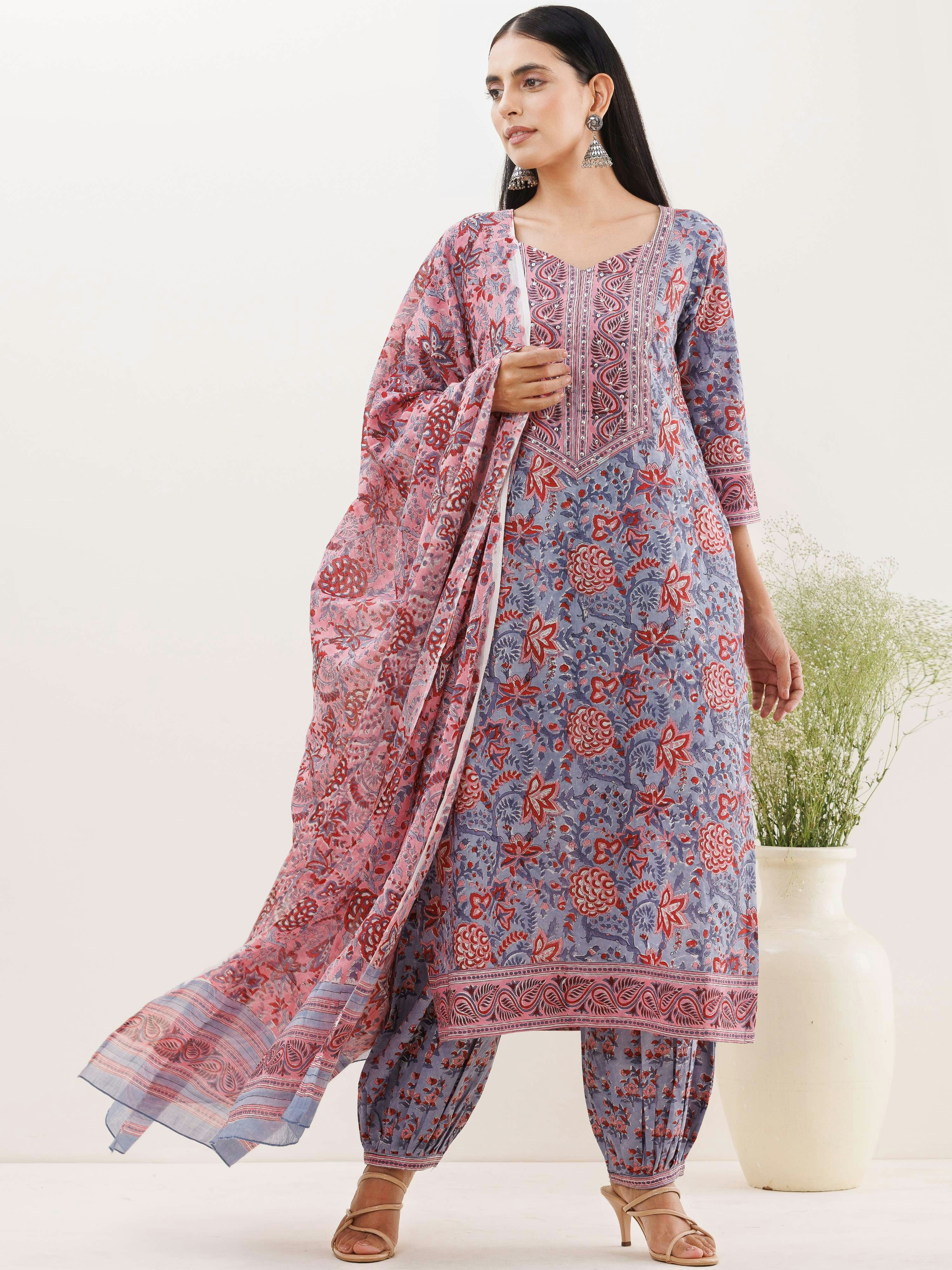
In terms of styles, the shalwar kameez has witnessed a shift towards modern silhouettes. Tailored cuts are incorporated into the classic form, resulting in outfits that are both flattering and functional. Long kameez with asymmetrical hemlines offer a fresh twist, while shorter lengths emphasize versatility for casual wear. The incorporation of tailored trousers in place of traditional shalwars is also gaining traction, appealing to those seeking a contemporary aesthetic without sacrificing comfort.
Fabrics play a significant role in the latest shalwar kameez trends. While cotton remains a staple for its breathability and ease, luxury fabrics such as silk and chiffon are increasingly popular for formal events. These materials allow for intricate embellishments and detailed craftsmanship, making each piece unique. Designers are experimenting with innovative textile techniques, incorporating textures and patterns that appeal to the modern sensibility.
Embellishments, too, are key in setting apart the shalwar kameez for 2025. Traditional embroideries are being paired with contemporary prints, creating stunning contrasts that celebrate culture while embracing innovation. Furthermore, the use of hand-crafted details like zari work, mirror work, and sequins is on the rise, providing depth and richness that enhances the overall aesthetic.
In essence, the evolution of the shalwar kameez reflects a dynamic interplay between tradition and modernity. As fashion continues to incorporate new ideas, this timeless classic remains a beloved choice, consistently harmonizing with modern trends while respecting its heritage.
Angrakhas: A Reimagined Elegance
The angrakha, a traditional garment originating from South Asia, is experiencing a revival in 2025, celebrating both its historical roots and contemporary appeal. Known for its elegant silhouette and intricate designs, this cultural attire is now reimagined to resonate with modern fashion sensibilities. Designers are bringing back the angrakha by infusing traditional elements with modern twists, resulting in a style that is both nostalgic and innovative.
One of the significant trends in the angrakha’s comeback is the use of new fabrics. While classic options like silk and cotton remain popular, contemporary interpretations now feature a variety of materials, such as organza, chiffon, and even sustainable fabrics. These choices not only enhance the garments’ aesthetics but also their comfort and wearability. Additionally, the introduction of vibrant colors and unique prints has further diversified the angrakha’s appearance, making it suitable for various occasions, from formal gatherings to casual outings.
The cuts of angrakhas have also evolved, catering to the tastes of modern women. Tailoring has become more structured, embracing both flowy and fitted styles that flatter diverse body types. Features such as asymmetrical hemlines, stylish collars, and statement sleeves have elevated the angrakha, allowing it to stand out in contemporary wardrobes. Fashion influencers and celebrities have embraced this trend, often seen donning angrakhas at festivals and events, showcasing their versatile styling options. This visibility in high-profile settings has significantly contributed to the garment’s resurgence in popularity.
As we move further into 2025, the angrakha continues to symbolize a blend of tradition and modernity, proving that historical styles can be adapted to fit current fashion narratives. Its revival not only honors cultural heritage but also encourages a broader appreciation for traditional Pakistani attire in the global fashion landscape.
Long Frocks: A Modern Take on Tradition
The fashion landscape in Pakistan for 2025 is witnessing a significant revival of long frocks, merging traditional styles with contemporary aesthetics. Long frocks, known for their versatility and elegance, are making a striking statement this season. Designers are embracing various silhouettes, prominently featuring A-line, straight-cut, and asymmetrical designs that cater to diverse body types and preferences. This eclectic range ensures that both modern fashionistas and traditionalists find something appealing in the offerings.
A-line frocks, characterized by their fitted bodice and flared skirt, are particularly popular for their flattering shape. They provide a graceful silhouette that accentuates the waist while allowing freedom of movement. Straight-cut frocks, another trending style, showcase clean lines and structured forms, offering a minimalist aesthetic that resonates with urban sensibilities. Meanwhile, asymmetrical designs add an element of drama and flair, making them perfect for fashion-forward individuals seeking to make a bold impression.
Color palettes for long frocks in 2025 are equally exciting, with vibrant hues and soft pastels coexisting harmoniously. Rich jewel tones like emerald green, ruby red, and sapphire blue dominate the collections, while earthy tones such as ochre and terracotta provide a grounded alternative. Additionally, prints are gaining prominence, from intricate floral patterns to geometric designs, elevating the frock’s visual appeal and showcasing craftsmanship.
Accessorizing long frocks can further enhance their charm. Delicate jewelry, such as statement earrings or layered necklaces, can add a touch of elegance for formal occasions, whereas the inclusion of vibrant bags or stylish footwear can create a casual look suitable for daytime events. Overall, the resurgence of long frocks signifies a rich blend of tradition and innovation in the Pakistani fashion scene.
Trending Colors for 2025
As we delve into the upcoming fashion trends for 2025, the color palette for Pakistani traditional suits is set to take center stage. This year’s trends encapsulate a vibrant mix, reflecting both cultural significance and contemporary preferences. Pastel shades continue to hold popularity, with soft hues such as blush pink, mint green, and baby blue dominating various traditional outfits. These colors provide an elegant and soothing aesthetic that resonates well with both festive occasions and casual gatherings.
In contrast, bold colors are making a significant comeback in 2025. Rich jewel tones like emerald green, royal blue, and deep maroon are increasingly favored for their ability to create stunning visual impacts. These hues are often complemented with exquisite embroidery and embellishments, incorporating mirror work and intricate patterns that elevate the overall appeal of the ensemble. The interplay of bold and pastel colors allows for a remarkable versatility, catering to diverse personal styles and preferences.
Seasonal trends also play an important role in color selection. During the summer months, lighter shades tend to prevail, with vibrant floral designs further enhancing traditional attire. As autumn approaches, earthy tones such as terracotta, mustard yellow, and olive green come to the forefront, embodying the season’s warmth. These colors not only resonate with nature’s palette but also reflect the cultural roots that underpin Pakistani fashion.
This year’s array of colorful options in Pakistani traditional suits truly captures the essence of modern aesthetics while honoring longstanding traditions. With the ongoing evolution of fashion trends, observing the significance of these colors offers insights into the preferences that shape the cultural tapestry of 2025. Designers are embracing these colors, ensuring that every piece tells a unique story through its vibrant shades and intricate designs.
Fabrics of the Year
As we head into 2025, the world of traditional Pakistani suits is witnessing a remarkable evolution in fabric choices, reflecting both comfort and elegance. Lightweight fabrics have gained significant traction, becoming the preferred option for consumers seeking stylish yet breathable clothing. Materials such as lawn, cotton, and chiffon are leading the charge, allowing for ease of movement while maintaining an aesthetically pleasing appearance. These fabrics are perfect for the warm climate, making them ideal for festive occasions and everyday wear alike.
In addition to lightweight options, the use of luxurious silks remains a staple in the creation of traditional suits. Known for their sumptuous feel and elegant drape, silk fabrics are increasingly being incorporated in contemporary designs. Versatile silk blends are being tailored into intricate patterns and vibrant colors, embodying the essence of traditional craftsmanship while appealing to modern sensibilities. As designers blend silk with other materials, the resulting pieces retain a sense of opulence, making them suitable for formal gatherings and weddings.
Another trend making waves in the ethnic wear landscape is the emergence of intricate brocades. These richly textured fabrics, often featuring ornate designs, have become a go-to choice for creating statement pieces that stand out. Brocade’s unique ability to convey grandeur and sophistication renders it an ideal fabric for festive occasions, where elaborate detailing plays a crucial role. The distinctive patterns and complex weaves associated with brocade contribute significantly to the overall elegance of traditional suits.
Moreover, sustainability is taking center stage in the fabric industry, with an increasing number of designers opting for eco-friendly materials. Organic cotton, bamboo fibers, and recycled textiles are being integrated into traditional Pakistani suit designs, aligning with the global shift towards sustainable fashion. This emphasis on ethical practices not only caters to the environmentally conscious consumer but also paves the way for innovative design solutions within the realm of ethnic wear.
Embellishments and Decorative Elements in Pakistani Traditional Suits
As fashion evolves, Pakistani traditional suits are continually reimagined with captivating embellishments and details that elevate their elegance. In 2025, the trend leans towards intricate embroidery techniques that evoke a sense of heritage while appealing to contemporary aesthetics. The meticulous craftsmanship involved in these embroidery designs, ranging from delicate floral patterns to bold motifs, plays a pivotal role in customizing each garment. Traditional stitches, such as zardozi and resham, further enhance the visual narrative of these suits, creating pieces that are as much works of art as they are clothing.
Additionally, cutwork has gained prominence, adding a unique dimension to the traditional silhouette. This technique involves creating elegant designs by cutting out specific areas of fabric, which not only showcases the base fabric’s color but also contributes to breathable yet stylish attire. The play of positive and negative space in cutwork designs is particularly eye-catching, making each piece distinct.
Lace overlays have also made their mark in 2025’s trends, combining a sense of sophistication with the traditional essence of Pakistani fashion. The use of lace adds layers of texture, often seen in hemlines, sleeves, and dupattas. This fusion of fabrics lends an ethereal quality to garments, perfect for elegant occasions such as weddings or festive celebrations. Moreover, sequins are making a bold comeback, infusing the suits with a modern touch through shimmering highlights that catch the eye without overpowering the detailed embroidery.
These embellishments and details not only serve to enhance the aesthetic appeal of Pakistani traditional suits but also reflect the rich cultural tapestry from which they originate. This year, the marriage of traditional techniques with innovative styles encourages a resurgence of pride in the craftsmanship of Pakistani artisans, making every piece a statement of cultural identity.
Occasions and Styling Tips
When it comes to wearing traditional Pakistani suits, understanding the occasion and pairing them with the right accessories is key to achieving a polished look. For weddings and festive events, opt for vibrant colors such as royal blue, deep red, or emerald green. These hues not only reflect the joyous atmosphere but also enhance the overall elegance of the ensemble. Consider suits adorned with intricate embroidery or embellishments, as they add a touch of grandeur appropriate for such special occasions.
For casual gatherings or daytime events, lighter shades such as pastel pinks, mint greens, or soft yellows are ideal. A simple yet stylish suit paired with minimalistic embroidery or printed fabrics can create a relaxed yet chic appearance. The use of breathable materials, such as cotton or lawn, will ensure comfort while maintaining aesthetic appeal, allowing for ease of movement during social interactions.
Accessorizing plays a pivotal role in completing the traditional look. For weddings, statement jewelry like jhumkas or a karn phool can elevate the outfit significantly. In contrast, for casual occasions, opting for delicate pieces such as stud earrings or thin bangles will keep the look understated yet sophisticated. Likewise, selecting the right footwear is essential; embellished juttis or elegant heels can complement formal suits, while chic sandals or slip-ons work beautifully with more casual attire.
Hairstyles should also be tailored to match the event. For weddings, consider elaborate updos adorned with flowers or decorative hairpieces to enhance your overall look. On the other hand, loose waves or a simple braid can suffice for casual events. By thoughtfully combining colors, styles, accessories, and hairstyles, one can effortlessly navigate the diverse world of traditional Pakistani suits while making a memorable impression at any occasion.
The Influence of Fashion Icons
The landscape of Pakistani fashion is significantly shaped by its prominent fashion icons and influencers. In recent years, these public figures have utilized the power of celebrity endorsements and social media platforms to redefine the aesthetic of traditional attire for modern audiences. As we look ahead to the trends of 2025, it is evident that the impact of these fashion luminaries continues to grow, inspiring a new generation to embrace and celebrate their cultural heritage through contemporary expressions of tradition.
Fashion icons such as Mahira Khan, Ertugrul’s Esra Bilgic, and Ahad Raza Mir have played a pivotal role in popularizing traditional suit styles that resonate with younger audiences. Their ability to seamlessly blend traditional elements, such as intricate embroidery and handwoven fabrics, with modern silhouettes and innovative designs, has captivated the attention of fashion enthusiasts. As a result, these styles are often showcased in their public appearances, increasing their visibility among fans and prompting them to adopt similar looks for themselves.
Moreover, social media platforms like Instagram and TikTok have become vital tools for these influencers to highlight their fashion choices, demonstrating how to pair traditional suits with contemporary accessories. The dynamic interactions within these platforms allow followers to engage directly with their favorite icons, further fueling trends as users replicate and adapt these looks to fit their personal styles. This has created a sense of community among fashion enthusiasts, as many now actively participate in discussions about traditional clothing while sharing their own interpretations of traditional suit trends.
As these trends evolve, it is essential to recognize the continuing influence of fashion icons in shaping the Pakistani traditional suit aesthetic. Their ability to modernize traditional attire not only promotes cultural appreciation but also encourages a more inclusive and diverse approach to fashion in 2025.